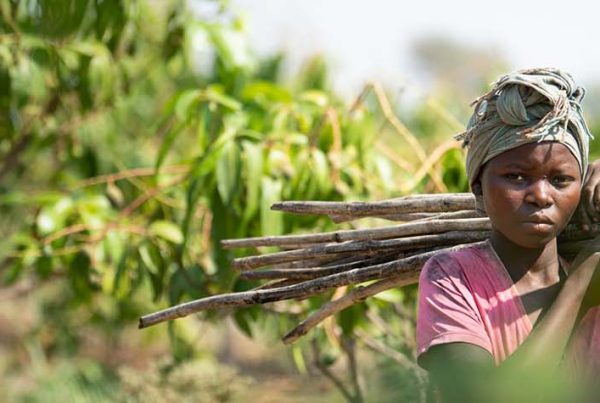
The aid sector faces a perfect storm of pressures: increasing humanitarian need, reduced funding, heightened scrutiny, and rapidly changing geopolitical conditions. Teams are expected to deliver more, with fewer resources, in contexts that are often unpredictable and emotionally demanding.
Resilience, therefore, cannot be left to individuals alone. It must be built into teams, systems, and leadership practices.
What resilience really means in aid work
Resilience is often misinterpreted as the ability to “keep going no matter what.” But in the aid sector, authentic resilience looks very different. It includes:
- Psychological safety, where staff feel safe to raise concerns, challenge decisions, and ask for support.
- Clarity of purpose, aligning teams around a shared mission even when operational environments shift.
- Adaptive capacity, enabling teams to respond quickly to new needs or emerging risks.
- Sustainable workloads, reducing burnout and encouraging healthier working rhythms.
- Strong, compassionate leadership, especially in high-stress or crisis contexts.
Resilient teams are not simply tough — they are supported.
Leadership’s role in building resilient teams
Through decades of global leadership work in the humanitarian and development sectors, we have observed several behaviours that consistently strengthen team resilience:
1. Transparent communication
Leaders who create trust through honesty and clarity enable teams to stay aligned even in uncertainty.
2. Distributed decision-making
Empowering teams reduces bottlenecks and increases flexibility during rapid-response scenarios.
3. Investment in wellbeing
Support systems — from coaching to mental health resources — reduce emotional fatigue and build long-term capability.
4. Reflection and learning cultures
Teams that pause to assess what worked (or didn’t) adapt faster and avoid repeating mistakes.
5. Values-led leadership
When decisions reflect organisational values, teams feel connected to purpose — a key driver of resilience.
How Oxford HR supports resilient team development
Strengthening resilience requires intentional investment in leadership, team dynamics, and organisational systems. Oxford HR’s services are built to support aid organisations across each of these areas:
Find Exceptional Leaders
Recruiting leaders with the humility, emotional intelligence, and crisis-navigation capabilities essential for humanitarian contexts.
Select with Confidence
Behavioural and psychometric assessments that clarify how leaders operate under stress — ensuring informed hiring decisions.
Build Internal Capability
Tailored coaching and leadership development that equips teams with tools for resilience, communication, and adaptive strategy.
Strengthen Teams & Governance
Facilitating stronger board–executive alignment and organisational structures that support stability.
Enable Change & Transformation
Guiding organisations through transitions such as restructures, strategic pivots, or shifts in operating models.
Resilience is collective
The challenges facing the aid sector will not ease quickly. But organisations with resilient teams — supported by strong leadership and intentional development — will be better equipped to navigate uncertainty while continuing to deliver meaningful impact.
At Oxford HR, we believe resilience is a shared responsibility. By investing in leaders, teams, and governance, we strengthen the sector’s ability to meet the needs of the communities it serves.