As international aid funding tightens, social enterprises are being forced to rethink how they finance their impact. At the same time, the private sector is re-evaluating its sustainability initiatives and investments, particularly as key regulations begin to stall.
Having operated across both the private sector and development organisations, I believe that the economic and value-creation potential of environmental and social initiatives remains largely untapped. The business world rarely views sustainability as a money-maker, and conversely, being commercial is not usually associated with NGOs.
This case study aims to offer an alternative reality. It follows InspCorp, a Kenyan environmental engineering social enterprise that has been operating in the development space since 2018. It demonstrates how applying commercial lens to a social intervention transformed a single school water project into a scalable, women led microenterprise, multiplying its economic impact twelvefold.
Big ideas and shrinking funding
InspCorp’s areas of expertise are energy security, environmental conservation and economic revitalisation. The team’s competencies span environmental technology, water and climate science and process engineering, a combination that enables them to deploy climate-smart water treatment and alternative energy solutions across Kenya and East Africa.
InspCorp’s situation mirrors many development organisations amid international aid funding cuts and relaxing sustainability regulation from the Global North. In early 2025, CEO, Nickson Mwanake, hypothesised that a convergence of geopolitics, wars, and extreme weather had created broad apathy towards international aid for climate technology. He recognised the need for a more proactive market strategy to ensure InspCorp could continue driving social change in the rural communities where it operates.
Designing sustainable impact through commercial logic
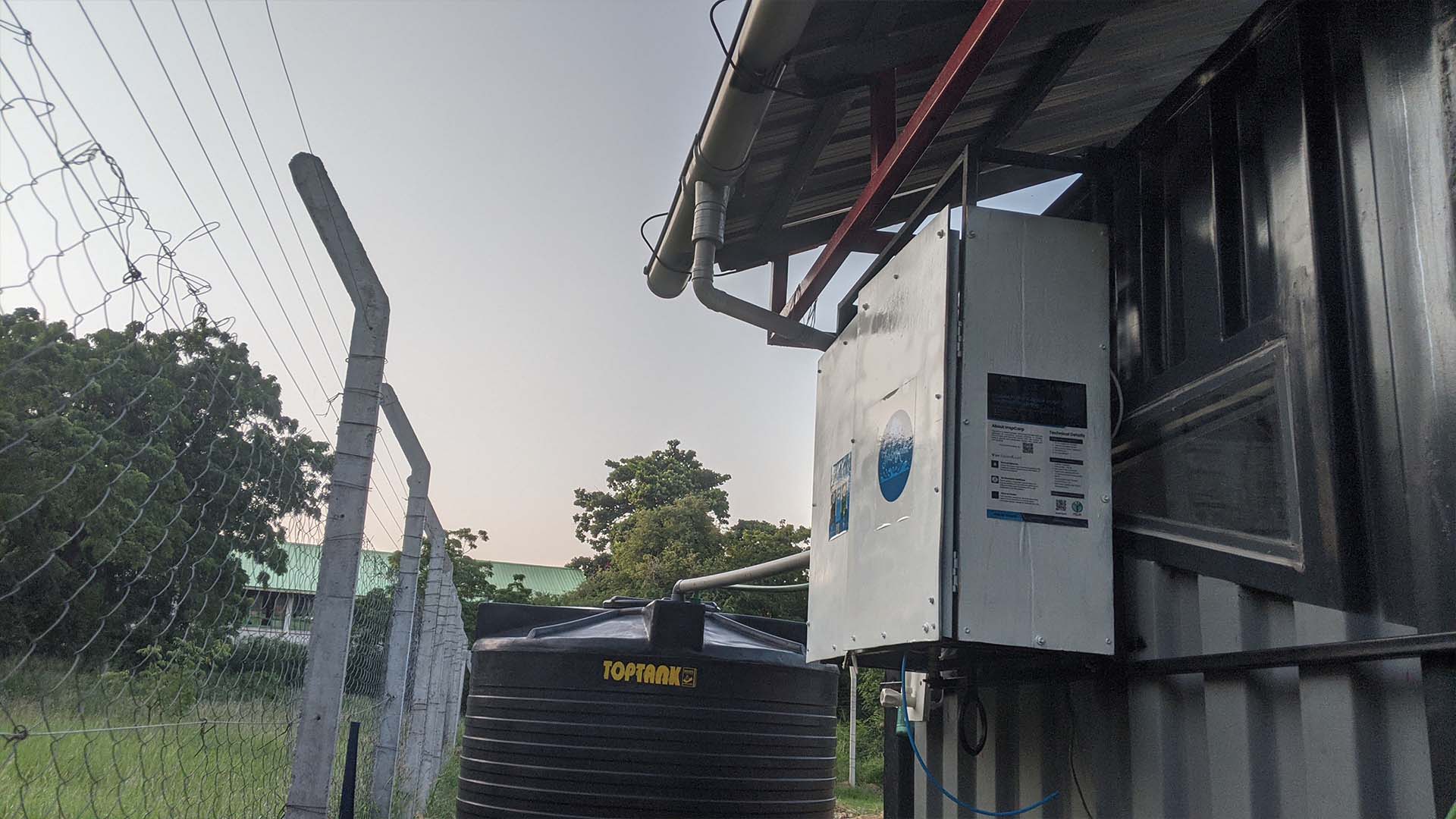
To kick-start a key water security project, InspCorp sought business development and commercial strategy support from a London-based consultant, and I was lucky to take this role. The project centred on the Kaembeni Child Development Centre (CDC), a community centre in Kilifi, Kenya, serving roughly 300 children and 600 caregivers among the most vulnerable in the area. Kilifi County is semi-arid and rural with poor infrastructure and below-average literacy rates. Recent climate-induced droughts and famine had worsened already difficult conditions. The aim of the project was to install the Freshrain system, a solar-powered rainwater harvesting and purification system, providing the centre’s 300+ children with safe, clean drinking water.
InspCorp’s initial actions, typical for development organisations, were to pursue crowdfunding and alternative EU financing. As their consultant, it was my view that commercial impact was key to the long-term viability and so I recommended identifying the economic advantages of the Freshrain system beyond social impact, i.e. additional revenue streams, cost savings, and operational efficiencies that, in the private sector, create the strongest incentive to invest in sustainability.
This marked a significant mindset shift for InspCorp. Traditional impact financing frameworks rarely emphasise impact per dollar as a qualifier. Instead, number of beneficiaries, geographic area, or thematic alignment tend to serve that role. Realising the commercial dimension of social intervention reframed how InspCorp approached cost-effectiveness entirely, and the team ideated on how the Freshrain system could create economic growth in the community it served.
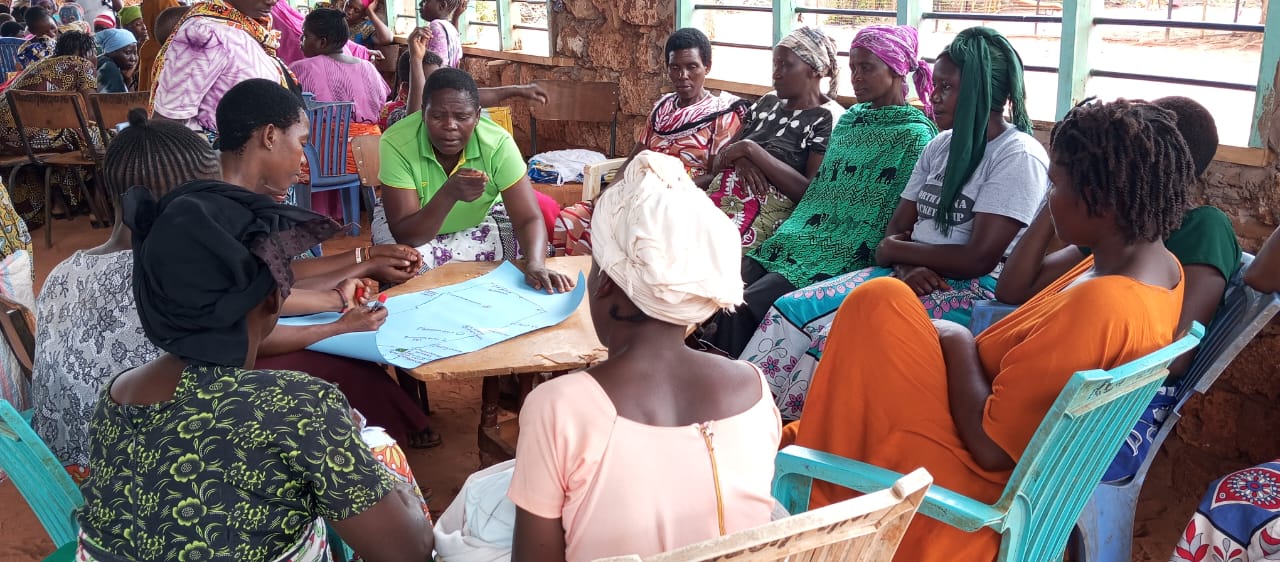
Through scenario modelling, they explored expanding water-capturing infrastructure to create a surplus of potable water. The surplus could be sold, generating a new revenue stream for the village. A water bottling microenterprise built around that surplus could employ 200 local women. The growth economics drew investment from a Spain-based women’s NGO focused on female economic participation and empowerment. The funding was used to create a comprehensive training programme covering financial management, entrepreneurship, water bottling operations. This established the foundation for 10 new micro-enterprises; all formally registered as local businesses. The formal registration accelerated financial inclusion through access to group bank accounts, asset ownership, and opens pathways to credit facilities and other capitalisation opportunities. Collectively, these mechanisms significantly enhance the long-term viability of each micro-enterprise.
Achievements and results
The original Freshrain intervention at Kaembeni CDC was one system, one school, 300 direct beneficiaries. Taking a commercial approach produced a replicable, scalable, locally driven intervention employing green technology to deliver water security, creating 10 new microenterprises, serving 1,200 beneficiaries, and growing economic impact twelvefold, from $0.13 in annual value per dollar to $1.63.
Macro implications of the Kaembeni project
InspCorp’s experience points to a broader opportunity for both the private and public sectors. As sustainability budgets shrink and development challenges grow, the organisations best positioned to create lasting change will be those that can bridge the language of impact and the logic of investment. For private sector organisations, it reinforces that sustainability strategies gain traction when tied to tangible business outcomes such as cost savings, revenue streams, and operational efficiency.
This could mean recruiting commercially driven talent into sustainability sector, to explore how compliance, risk mitigation, and sustainability objectives can be accelerated with an entrepreneurial mindset. For social enterprises, NGOs, and development organisations, it suggests that a commercial approach is not a compromise of mission, but a multiplier of it. InspCorp’s Kaembeni project is a modest yet instructive example of what becomes possible when those two worlds are brought together.

Jennifer Lager
Jennifer Lager has over 15 years in consulting, market activation and solution development for sustainable supply chains. Her area of expertise is driving commercial value by integrating sustainability across corporate growth strategy, sourcing and supply chains. Jen completed a Masters In International Development at City University London, specializing in the private sector impact on sustainable development.